
Central Asia Gantry Crane
25/10T Double Girder Gantry Crane
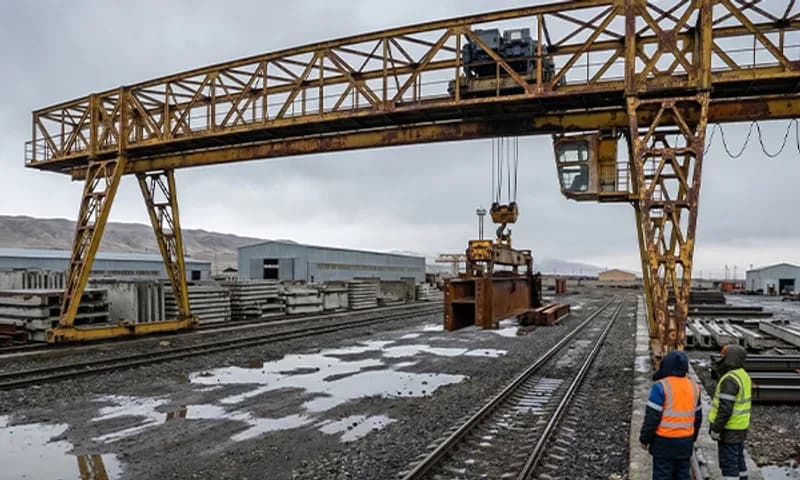
Outdoor crane configuration reviewed for large temperature swings and high-wind shutdown conditions.
HAOKCRANES Outdoor Gantry and Structural Engineering Group
Project engineeringLow-temperature materials, wind protection, outdoor electrics, and rail interface review
HAOKCRANES Structural and Wind Safety Review Group
Technical review | 2026-06-14Storm protection, operating limits, cold-start provisions, commissioning, and seasonal maintenance
The Problem
The infrastructure project required an outdoor gantry crane that could remain serviceable through severe winter cold, summer heat, and high winds. Material toughness, low-temperature startup, lubrication, cable flexibility, storm anchoring, and water ingress all had to be reviewed as one operating system.
Our Approach
The crane design combined low-temperature structural steel, cold-resistant cables, gearbox heating provisions, outdoor electrical protection, an anemometer, staged wind alarms, automatic rail clamps, and storm anchoring points. The operating procedure defined startup and shutdown limits for changing weather.
From Selection To Handover
- Low-temperature toughness of primary load-bearing steel
- Cold-weather suitability of cables, lubricants, seals, and gearboxes
- Wind monitoring, storm anchoring, and rail clamp strategy
- Drainage, corrosion protection, and outdoor enclosure rating
- Main and auxiliary lifting mechanisms with outdoor gantry structure
- Cold-resistant electrical system, heating provisions, and weather protection
- Anemometer, alarms, rail clamps, storm anchoring, and travel interlocks
- Installation drawings, foundation loads, test procedures, and spare parts schedule
The handover plan verified rail geometry, wheel contact, storm protection, heater operation, cold-start procedures, wind alarm thresholds, limit switches, brakes, and rated-load performance.
- Seasonal lubricant and heater checks before winter operation
- Inspection of rail clamps, anchors, anemometer, and alarm interlocks
- Routine rail alignment, wheel flange, and buffer condition monitoring
- Coating repair and water-ingress checks after severe weather
Prepare Your Crane Requirements
Use the worksheet to organize the technical data our engineering team needs for an initial review.
Record capacity, span, climate, wind conditions, duty, and site interfaces before technical review.
Project Outcome
Operating limits were defined for temperature and wind conditions
Storm protection was integrated with crane travel controls
Cold-weather startup checks were included in operator procedures
Seasonal maintenance tasks were documented for the site team
Interested in a Similar Solution?
Contact our team to discuss your project requirements and get a tailored proposal.