Overhead Crane Preventive Maintenance Checklist
A practical framework for daily, periodic, and annual overhead crane inspections covering brakes, wire rope, hooks, wheels, electrics, runway condition, and maintenance records.
HAOKCRANES Service Engineering Group
Maintenance engineeringPreventive maintenance planning, inspection records, and return-to-service controls
HAOKCRANES Crane Mechanical and Safety Review Group
Technical review | 2026-06-12Brakes, lifting mechanisms, safety devices, runway condition, and maintenance documentation
Daily or Pre-Shift Inspection
Start with the crane isolated where necessary and review the previous shift log for unresolved alarms, unusual noise, overload events, or repairs.
- Check the hook, latch, block, wire rope or load chain, and visible reeving condition.
- Test emergency stop, upper and lower limits, brakes, warning devices, pendant, and remote controls.
- Observe for oil leakage, loose guards, damaged cables, unusual vibration, or abnormal sound.
- Confirm the runway and travel path are clear and that end stops and buffers are unobstructed.
Monthly Condition Review
A competent maintenance person should compare observed wear with the equipment manual and previous inspection records instead of treating the checklist as a simple pass or fail exercise.
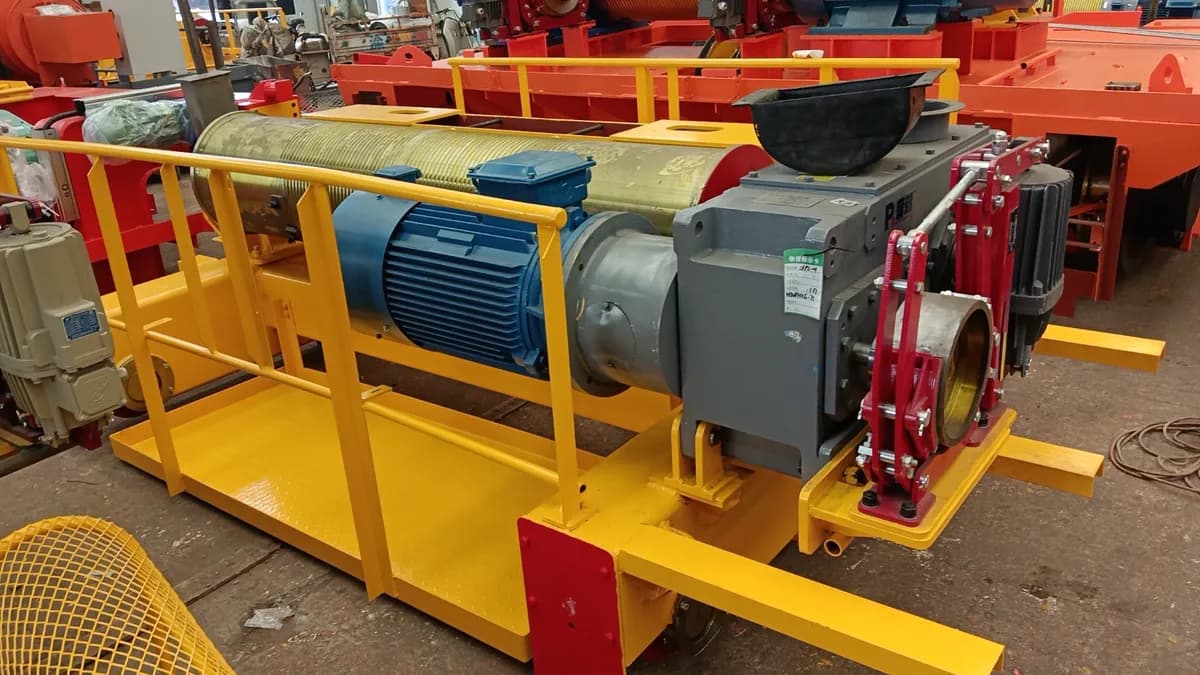
- Inspect brake linings, brake air gap, couplings, drum, rope guide, sheaves, and bearings.
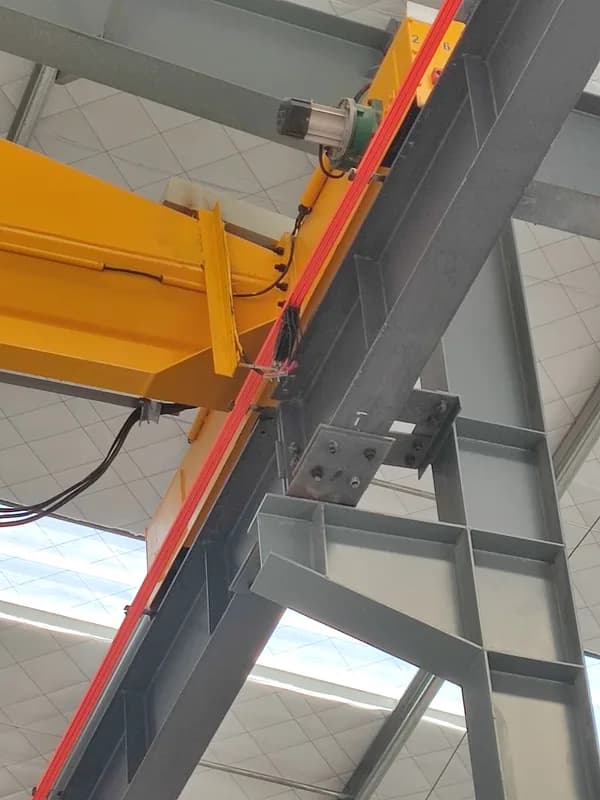
- Check wheel flanges, rail joints, end-carriage fasteners, buffers, and signs of skewing.
- Inspect contactors, terminals, collectors, festoon cables, control panels, cooling fans, and enclosure seals.
- Review VFD fault history, overload records, and repeated operator complaints for developing failure patterns.
Periodic and Annual Examination
The scope and interval of thorough examination depend on jurisdiction, crane classification, service severity, manufacturer requirements, and the competent person's assessment.
- Examine load-bearing structure, welds, bolted joints, platforms, ladders, and guards.
- Measure rope diameter and wear, hook opening or twist, wheel wear, brake condition, and critical clearances.
- Verify overload protection, limits, interlocks, emergency controls, and rated-load performance where required.
- Review runway alignment, electrical protection, grounding, signage, documentation, and maintenance history.
Building a Useful Maintenance Record
Record the component, location, observed condition, measurement, acceptance reference, corrective action, responsible person, and close-out date. Photos and trend data are more useful than a generic checked box.
- Keep inspection and repair records linked to the crane serial number.
- Trend recurring faults, brake adjustment, rope wear, wheel wear, and motor temperature.
- Record changes to settings, software, safety devices, and replacement components.
- Define who can return isolated equipment to service after corrective work.
Frequently Asked Questions
How often should an overhead crane be inspected?
Operators normally perform pre-use checks, while periodic inspection intervals depend on duty, environment, manufacturer instructions, local law, and the findings of a qualified inspector.
Can a crane keep operating with a damaged safety device?
A safety-critical defect should not be bypassed. The crane should be isolated or restricted according to the site procedure until qualified personnel assess and correct the condition.
What records should be retained?
Retain inspection reports, measured wear data, repairs, replaced components, load tests where applicable, fault history, safety-device tests, and authorization to return the crane to service.
Use This Guide On Your Project
Download the printable worksheet for engineering discussions, inspections, and documented follow-up.